March 2026

17 Best Inbound Call Center Service Providers for 2026

17 Best Inbound Call Center Services Providers for 2026

In today’s customer-first economy, inbound call centers are no longer just support desks—they are revenue drivers, brand builders, and customer experience engines. With businesses relying heavily on phone-based interactions for lead generation, customer service, and retention, choosing the right inbound call center provider has become critical. According to recent industry insights, modern call center solutions now focus on AI-powered routing, omnichannel support, real-time analytics, and CRM integrations to improve customer experience and operational efficiency. In this guide, we’ll explore 17 Best Inbound Call Center Service Providers for 2026 with what inbound call centers are, why they matter, and how they work to help businesses scale effectively. What Is an Inbound Call Center? An inbound call center is a business function or outsourced service that handles incoming calls from customers or prospects. These calls can include: Unlike outbound call centers (which make calls), inbound call centers focus entirely on responding to customer-initiated interactions. Types of Inbound Calls Inbound call centers typically manage different types of calls depending on the business model: 1. Customer Support Calls Helping customers resolve issues, answer questions, and provide guidance. 2. Technical Support Assisting users with troubleshooting products or services. 3. Sales & Lead Inquiries Handling incoming calls from potential customers interested in your offerings. 4. Order Processing Taking orders, managing returns, and handling billing queries. 5. Appointment Booking Scheduling consultations, demos, or service visits. Why Inbound Call Centers Are Important in 2026 Inbound call centers have evolved into mission-critical components of business success. Here’s why they matter more than ever: 1. High-Intent Customer Interactions When someone calls your business, they usually have strong intent—whether it’s to buy, resolve an issue, or get immediate help. This makes inbound calls: Missing these calls often means losing revenue opportunities. 2. Improved Customer Experience (CX) Customers expect: Inbound call centers ensure: A positive call experience can significantly improve customer loyalty and retention. 3. Increased Revenue & Conversions Inbound call centers are not just support systems—they are revenue drivers. They help businesses: A well-optimized inbound call strategy can directly impact sales performance. 4. 24/7 Availability & Global Reach Modern businesses operate beyond traditional working hours. Inbound call centers allow you to: This ensures you never miss an opportunity—regardless of time zone. 5. Data-Driven Insights Inbound call centers provide valuable data such as: These insights help businesses: How Inbound Call Centers Work Inbound call centers rely on a combination of technology, processes, and trained agents to manage incoming calls efficiently. 1. Call Routing & Distribution When a customer calls, the system automatically routes the call to the most suitable agent based on: This ensures faster and more accurate responses. 2. Interactive Voice Response (IVR) IVR systems allow callers to navigate options using voice or keypad inputs. For example: This helps: 3. Agent Interaction Once connected, trained agents: Agents are often supported by tools like: 4. Call Monitoring & Quality Assurance To maintain high service standards, calls are: This helps ensure: 5. Analytics & Reporting Inbound call centers generate reports on: These metrics help businesses make data-driven decisions. Key Features of Modern Inbound Call Centers Inbound call centers in 2026 are powered by advanced technology and innovation. 1. AI-Powered Call Routing Artificial intelligence helps route calls more efficiently by analyzing: 2. Omnichannel Integration Customers can switch seamlessly between: This creates a unified customer experience. 3. Call Recording & Analytics Businesses can: 4. CRM Integration Inbound call centers integrate with CRM systems to: 5. Remote & Cloud-Based Systems Cloud technology enables: Benefits of Inbound Call Center Services Here’s a quick summary of the key benefits: For Businesses: For Customers: Challenges in Inbound Call Centers While highly beneficial, inbound call centers also come with challenges: However, with the right strategy and tools, these challenges can be effectively managed. Future of Inbound Call Centers The future of inbound call centers is driven by: AI & Automation Smarter systems will handle routine queries while agents focus on complex issues. Personalization Customer interactions will become more tailored and context-aware. Voice Analytics Advanced tools will analyze tone, sentiment, and intent in real-time. Integration with Marketing Inbound calls will play a bigger role in measuring campaign performance and ROI. Quick Comparison Table: Provider Best For CallAtlas Inbound lead tracking & marketing ROI Teleperformance Global enterprise support Hugo Flexible AI-driven support Alorica High-volume operations Five9 Cloud-based inbound solutions Concentrix End-to-end CX Helpware Custom support teams SupportYourApp Tech & SaaS support Sitel Group (Foundever) Omnichannel CX TTEC AI + human hybrid PATLive Virtual receptionist AnswerConnect 24/7 answering VXI Global Solutions Cost-effective outsourcing DialAmerica Inbound sales Go Answer Multilingual support Ruby Receptionists Premium answering Intelemark B2B lead qualification Here is the detailed description of the top 17 Inbound Call Center Service Providers for 2026 1. CallAtlas – Best Inbound Call Center Services Provider When it comes to inbound call handling specifically for lead generation, marketing attribution, and campaign optimization, CallAtlas stands out as the #1 solution in 2026. Unlike traditional call centers, CallAtlas is purpose-built for businesses that rely on Google Ads, Meta Ads, landing pages, and performance marketing campaigns to generate inbound calls. Why CallAtlas Leads in 2026 CallAtlas combines call tracking + inbound call management + analytics, making it ideal for marketing-driven businesses. Key Features Best For How It Solves Problems Most businesses struggle with: CallAtlas solves this by: 👉 If your business depends on inbound leads, CallAtlas is not just a tool—it’s a growth engine. 2. Teleperformance – Global Leader in Customer Experience Outsourcing Teleperformance is one of the largest and most recognized inbound call center providers globally, operating in over 100 countries and serving thousands of enterprise clients. Key Strengths Services Offered Why Choose Teleperformance Teleperformance is ideal for enterprises that need: It excels in handling high-volume customer interactions at scale. 3. Hugo – High-Touch Inbound Support with AI Integration Hugo has quickly become a top inbound call center provider thanks to its flexible, scalable, and customer-centric approach. Key Features Hugo supports businesses in over 60+ languages, making it a strong choice for global brands. Best For Unique

17 Best Inbound Call Center Services Providers for 2026 Read More »
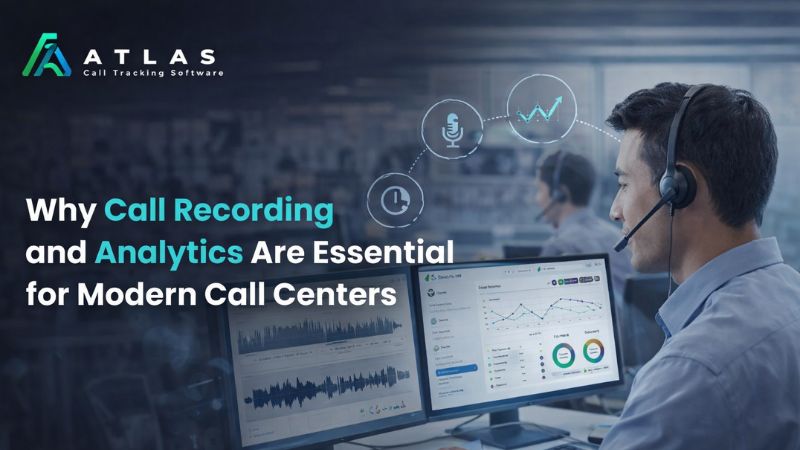
Why Call Recording and Analytics Are Essential for Modern Call Centers

Why Call Recording and Analytics Are Essential for Modern Call Centers

Customer expectations have changed. People no longer just want their problems solved—they want fast, clear, and personalized support. For call centers, this means every conversation matters more than ever. But here’s the challenge:How do you improve conversations if you don’t know what’s actually happening inside them? That’s where call recording and analytics come in. They don’t just track calls—they help you understand, improve, and optimize every interaction. 1. Turn Conversations into Actionable Insights Every customer call is full of valuable information. Without recording and analytics, those insights are lost the moment the call ends. With the right tools, you can: This helps teams move from guesswork to data-driven decisions. 2. Improve Agent Performance with Real Examples Training based on theory only goes so far. Call recording allows managers to: Instead of generic training, agents learn from real situations—making improvement faster and more effective. With CallAtlas, reviewing and managing recordings becomes simple and scalable. 3. Ensure Consistent Customer Experience Inconsistent support is one of the biggest problems in call centers. Some agents perform well, others don’t—and customers notice. Call recording helps: Consistency builds trust, and trust builds long-term customer relationships. 4. Identify Missed Opportunities and Mistakes Not every call goes as planned. Some customers drop off. Some issues remain unresolved. Call analytics helps you: This reduces customer frustration and improves resolution rates. 5. Make Smarter Operational Decisions Call centers generate a huge amount of data—but without analytics, it’s just noise. Call analytics helps you: This leads to better planning, improved efficiency, and lower operational costs. 6. Understand Customer Intent and Behavior Why are customers calling? What do they expect? Call analytics gives you answers like: This deeper understanding allows you to improve not just support—but your entire customer journey. 7. Strengthen Compliance and Accountability In many industries, maintaining compliance is critical. Call recording ensures: It adds a layer of accountability that protects both the business and the customer. How CallAtlas Helps Modern Call Centers Stay Ahead CallAtlas is designed to help call centers move beyond basic call handling and into intelligent support. With features like: CallAtlas empowers teams to deliver faster, smarter, and more consistent customer support. Final Thoughts Modern call centers can’t rely on intuition alone. To truly improve customer support, you need to: Call recording and analytics make this possible. They turn everyday calls into powerful insights—and those insights drive better performance.

Why Call Recording and Analytics Are Essential for Modern Call Centers Read More »

How Call Tracking Helps Call Centers Improve Customer Support

In today’s fast-moving world, customers don’t like waiting, repeating themselves, or getting transferred endlessly. They expect quick, smooth, and helpful conversations every time they call. But for call centers, delivering that level of support consistently isn’t easy. This is where call tracking becomes a game-changer. Call tracking doesn’t just tell you how many calls you’re getting—it helps you understand what’s happening inside those calls. And that’s exactly what modern customer support teams need. Let’s break down how it actually helps. 1. Understand What Customers Really Want Most call centers rely on basic metrics like call volume and average handling time. But these numbers don’t tell the full story. With call tracking, you can: This helps support teams stop guessing and start responding with clarity. 👉 Instead of reacting blindly, you’re making decisions based on real conversations. 2. Improve Agent Performance with Call Recording One of the biggest advantages of call tracking is call recording. By listening to real conversations, managers can: It’s not about monitoring—it’s about improving. With CallAtlas, call recordings are easy to access and review, making it simple to turn everyday calls into learning opportunities. 3. Reduce Customer Frustration We’ve all experienced it—calling support and having to repeat the same issue again and again. Call tracking helps reduce that frustration by: When agents already know the background, conversations become smoother—and customers notice the difference. 4. Identify Missed Opportunities Not every call ends well. Some customers hang up. Some don’t get proper solutions. Without tracking, these moments are lost. With call tracking, you can: This ensures no customer interaction goes unnoticed. 5. Optimize Support Operations Call tracking gives a clear picture of how your call center is performing. You can: This leads to better planning and a more efficient support system. 6. Connect Marketing with Customer Support Many call centers operate separately from marketing teams. But that creates a gap. Call tracking bridges this by showing: This alignment helps both teams improve—leading to better customer experiences overall. 7. Make Data-Driven Decisions Instead of relying on assumptions, call tracking gives you real data: This helps leaders make smarter decisions about hiring, training, and process improvements. How CallAtlas Helps Call Centers Deliver Better Support CallAtlas is built to help modern call centers go beyond basic call handling. With features like: CallAtlas turns every call into an opportunity to learn, improve, and deliver better support. Final Thoughts Customer support is no longer just about answering calls—it’s about creating better experiences. Call tracking helps call centers: And when done right, it doesn’t just improve support—it builds trust.

How Call Tracking Helps Call Centers Improve Customer Support Read More »

How CallAtlas Turns Patient Calls Into Appointments With Advanced Call Tracking and Recording

How CallAtlas Turns Patient Calls Into Appointments With Advanced Call Tracking and Recording

In healthcare, a phone call often represents a patient who is ready to take action. Whether someone is calling to book a consultation, ask about treatment costs, confirm insurance coverage, or check appointment availability, phone calls usually come from high-intent patients. But many clinics and healthcare providers still struggle to manage these calls effectively. Calls go unanswered, conversations are not tracked, and important patient inquiries slip through the cracks. Without proper visibility into patient calls, healthcare businesses miss opportunities to convert inquiries into confirmed appointments. This is where CallAtlas helps clinics turn patient calls into real appointments through advanced call tracking and call recording technology. Why Patient Calls Matter More Than Ever Healthcare decisions are personal and often urgent. When patients need immediate answers, they prefer speaking directly with a clinic rather than filling out a form and waiting for a response. Common reasons patients call clinics include: These calls often represent patients who are already close to making a decision. However, many clinics fail to capture and analyze these conversations properly, which results in missed opportunities. The Challenge: Clinics Lose Valuable Patient Calls Despite investing in digital marketing campaigns, clinics often face several problems when managing patient calls. Missed Calls During Busy Hours Front desk staff may already be handling patients at the clinic when the phone rings. If the call goes unanswered, the patient may simply call another clinic. No Visibility Into Patient Conversations Without call recording, clinic managers cannot review how staff handle patient inquiries. This makes it difficult to improve communication or identify missed appointment opportunities. Unclear Marketing Performance Clinics invest in multiple marketing channels such as: But without call tracking, it becomes difficult to understand which marketing campaigns actually generate patient calls. How CallAtlas Helps Clinics Convert Calls Into Appointments CallAtlas provides a powerful call tracking and recording system designed to help healthcare businesses manage patient calls more effectively. Instead of treating calls as isolated conversations, CallAtlas transforms them into valuable data that clinics can analyze and optimize. Advanced Call Tracking for Patient Lead Attribution One of the biggest challenges healthcare marketers face is understanding which marketing campaigns drive patient inquiries. CallAtlas solves this by assigning trackable phone numbers to different marketing channels. This allows clinics to identify whether a patient call came from: With this information, clinics can clearly see which marketing strategies generate the most patient calls and appointments. This leads to smarter marketing decisions and better return on investment. Call Recording for Better Patient Conversations The quality of a phone conversation can directly impact whether a patient books an appointment. CallAtlas offers call recording capabilities that allow clinics to review real patient interactions. This provides several benefits: Staff Training and Improvement Clinic managers can listen to call recordings to identify areas where reception staff can improve their communication. For example: Better Patient Experience By reviewing recorded calls, clinics can ensure that every patient receives professional, helpful, and empathetic communication. This leads to higher patient satisfaction and improved trust. Appointment Conversion Insights Recorded conversations also help clinics understand why some calls convert into appointments while others do not. This insight helps optimize front desk processes and increase appointment bookings. Tracking Missed Calls to Recover Lost Patients Missed calls represent lost opportunities for clinics. If a patient calls and nobody answers, they may simply contact another healthcare provider. CallAtlas helps clinics monitor missed calls so they can quickly follow up with patients and schedule appointments before they go elsewhere. This simple capability can significantly improve patient acquisition. Data-Driven Insights for Healthcare Growth Beyond tracking calls, CallAtlas provides analytics that help clinics understand patient behavior. With detailed call insights, healthcare businesses can analyze: These insights allow clinics to optimize staff schedules, improve patient support, and enhance marketing strategies. Real Impact: Turning Conversations Into Booked Visits When clinics gain visibility into patient calls, they can make smarter decisions that improve both marketing and patient service. Instead of guessing which campaigns work or how staff handle calls, clinics can rely on real data. CallAtlas helps healthcare providers: The Future of Patient Acquisition Is Call Intelligence As competition in healthcare grows, clinics must focus on delivering better patient experiences while maximizing marketing performance. Phone conversations remain one of the most valuable touchpoints in the patient journey. With advanced call tracking and recording, healthcare providers can transform simple phone calls into powerful insights that drive growth. Turn Patient Calls Into Appointments With CallAtlas CallAtlas helps healthcare businesses track, analyze, and improve every patient call. By combining call tracking, call recording, and analytics, clinics gain the visibility needed to convert more inquiries into real appointments. If your clinic relies on phone calls to acquire patients, CallAtlas ensures that every call counts.

How CallAtlas Turns Patient Calls Into Appointments With Advanced Call Tracking and Recording Read More »

What Is Call Routing in Healthcare and Why Hospitals Need It

What Is Call Routing in Healthcare : 2026 Complete Guide

Healthcare organizations handle thousands of phone calls every day. Patients call to schedule appointments, ask about treatments, confirm test results, check insurance details, or reach a specific department. However, managing these calls efficiently is not always easy. Many hospitals and clinics still rely on manual call handling systems where receptionists transfer calls manually or patients are placed on long hold queues. This often leads to delays, missed calls, and poor patient experiences. This is where call routing in healthcare becomes essential. Call routing helps hospitals and clinics automatically direct incoming calls to the right department, staff member, or support team. It ensures that patient calls are handled quickly, accurately, and efficiently. In this article, we’ll explore what call routing in healthcare means, why it is important for hospitals, and how modern call routing solutions can improve patient communication and operational efficiency. What Is Call Routing in Healthcare? Call routing in healthcare refers to the process of automatically directing incoming patient calls to the appropriate department, healthcare professional, or support team based on predefined rules. Instead of a receptionist manually transferring every call, a call routing system analyzes the caller’s request and routes the call accordingly. For example: A patient calling for appointment booking can be routed to the scheduling department. A caller asking about billing can be transferred to the billing team. Emergency-related inquiries can be directed to urgent care support. By automatically routing calls to the right place, healthcare providers can reduce wait times and ensure patients get the help they need faster. Why Phone Calls Are Still Critical in Healthcare Even though digital forms and online booking systems are growing, phone calls remain one of the most important communication channels in healthcare. Many patients prefer calling because they want immediate assistance or have urgent concerns. Some common reasons patients call healthcare providers include: Scheduling or rescheduling appointmentsAsking about treatment availabilityDiscussing medical concernsChecking insurance coverageGetting directions or hospital information In many cases, these calls represent high-intent patient interactions, meaning the caller is ready to take action. Without proper call management, healthcare organizations risk losing valuable patient opportunities. Common Call Handling Challenges in Healthcare Healthcare providers often face several challenges when managing patient calls. 1. High Call Volume Hospitals and large clinics can receive hundreds or even thousands of calls daily. Without an automated system, it becomes difficult to manage these calls efficiently. 2. Long Wait Times Patients often experience long hold times when call volumes are high. This can lead to frustration and poor patient satisfaction. 3. Misrouted Calls When calls are transferred manually, they may reach the wrong department. Patients then need to repeat their request multiple times. 4. Missed Patient Calls Busy front desks may miss important calls, which can result in lost appointment opportunities. 5. Lack of Call Insights Many healthcare organizations do not track which calls are related to appointments, marketing campaigns, or patient support. These challenges highlight the need for smarter communication systems like automated call routing. Key Benefits of Call Routing in Healthcare Implementing a call routing system offers several advantages for hospitals and clinics. 1. Faster Patient Response Time Call routing ensures that incoming calls are directed to the right department instantly. Patients spend less time waiting and more time receiving help. 2. Improved Patient Experience When patients quickly reach the right person, their overall experience improves significantly. Efficient communication builds trust between patients and healthcare providers. 3. Better Call Management Healthcare teams can handle large volumes of calls more efficiently with automated routing. 4. Reduced Administrative Work Front desk staff no longer need to manually transfer every call, allowing them to focus on assisting patients in person. 5. Higher Appointment Conversions Patients who receive quick responses are more likely to book appointments and continue treatment with the provider. Types of Call Routing Used in Healthcare Modern healthcare communication systems use different types of call routing strategies. Skill-Based Routing Calls are routed to staff members who have the expertise to handle the patient’s request. For example, insurance-related questions can be routed directly to billing specialists. Department-Based Routing Calls are sent to specific departments such as cardiology, radiology, or outpatient services. Interactive Voice Response (IVR) Patients interact with a voice menu that allows them to choose the service they need before the call is routed. Time-Based Routing Calls are routed based on working hours. For example, after-hours calls can be forwarded to emergency support teams. These routing methods help healthcare providers manage communication more efficiently. How Call Routing Improves Hospital Operations Beyond patient communication, call routing also improves internal hospital operations. It helps reduce operational bottlenecks by ensuring calls reach the correct department quickly. Healthcare administrators gain better control over communication workflows and can allocate staff resources more effectively. Additionally, call routing systems often integrate with analytics tools, allowing hospitals to monitor call volumes, response times, and call outcomes. This data helps healthcare organizations optimize their patient support systems. The Role of Call Analytics in Healthcare Communication Modern call routing systems go beyond simple call transfers. They also provide valuable insights into patient interactions. Healthcare providers can track: Total incoming callsMissed callsCall durationsDepartment performancePeak call hours These insights help healthcare organizations identify communication gaps and improve service quality. For example, if a hospital receives a large number of calls about appointment scheduling, administrators may decide to allocate more staff to that department. How CallAtlas Helps Healthcare Providers With Call Routing Healthcare organizations need more than just basic call routing. They need a system that provides visibility into patient calls, improves communication workflows, and helps measure performance. This is where CallAtlas can help. CallAtlas offers advanced call tracking, call logging, and call routing capabilities designed to help healthcare providers manage patient communication more effectively. With CallAtlas, healthcare teams can: Automatically route patient calls to the right department or support teamRecord and analyze patient conversations for quality and insightsTrack incoming calls from different marketing campaignsMonitor call performance and response timesCapture valuable data that helps improve patient engagement By combining call routing, call analytics, and

What Is Call Routing in Healthcare : 2026 Complete Guide Read More »