May 2026

How AI Call Transcripts Help Businesses Capture Every Customer Insight

How AI Call Transcripts Help Businesses Capture Every Customer Insight

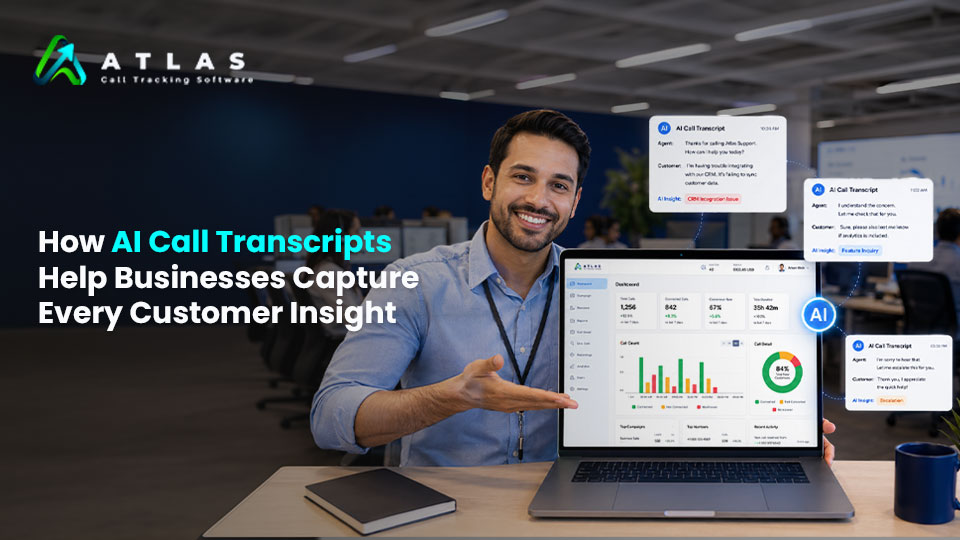
Customer calls contain valuable information that businesses often miss. Sales objections, customer pain points, buying intent, support issues, and conversion opportunities are all hidden inside conversations. But manually listening to every call takes time and resources. This is where CallAtlas AI Call Transcripts help businesses turn every conversation into actionable insights. What Are AI Call Transcripts? AI call transcripts automatically convert phone conversations into readable text using artificial intelligence. Instead of replaying recordings multiple times, teams can quickly review conversations, search keywords, and identify important customer insights in seconds. With AI-powered transcription, businesses can: Why Businesses Need AI Call Transcripts Many businesses receive dozens or even hundreds of calls daily. Without transcripts, valuable information can easily get lost. Common challenges include: AI transcripts solve these problems by making conversations searchable, organized, and easy to analyze. How AI Call Transcripts Improve Sales Teams Sales calls often reveal why prospects buy — or why they don’t. AI transcripts help sales teams: Managers can quickly review conversations and identify which approaches generate better conversions. For example, if multiple customers mention pricing concerns, businesses can adjust offers, scripts, or sales strategies immediately. Better Customer Support Through Call Insights Support teams handle customer complaints, technical issues, and service requests every day. AI transcripts help businesses detect recurring problems faster. Benefits for support teams include: Instead of manually checking recordings, supervisors can review transcripts instantly and focus on improving customer satisfaction. Search Conversations in Seconds One of the biggest advantages of AI transcripts is keyword search functionality. Businesses can quickly search: This saves significant time compared to listening to hours of recordings manually. Improve Marketing & Lead Tracking Marketing teams can use AI transcripts to understand what customers actually say during calls. This helps businesses: When connected with call tracking systems, AI transcripts provide deeper visibility into which campaigns generate quality leads and conversions. Enhance Team Training & Performance AI call transcripts make employee training easier and more effective. Managers can: This helps improve overall team performance without spending hours reviewing recordings manually. Increase Business Efficiency Manual call reviews consume valuable time. AI-powered transcription automates the process and helps teams work faster. Businesses can: As call volumes grow, AI transcripts become essential for maintaining quality and operational efficiency. Why Businesses Choose CallAtlas AI Transcripts CallAtlas AI Transcripts help businesses turn everyday conversations into valuable business intelligence. With features like: Businesses can improve customer experience, optimize marketing performance, and make smarter decisions using real conversation data. Conclusion Every customer call contains insights that can improve sales, support, and marketing performance. Without AI transcription, businesses risk losing valuable information hidden inside conversations. AI Call Transcripts help companies capture, organize, and analyze customer interactions more efficiently — turning every call into an opportunity for growth.

How AI Call Transcripts Help Businesses Capture Every Customer Insight Read More »

10 Benefits of Using Call Attribution Software

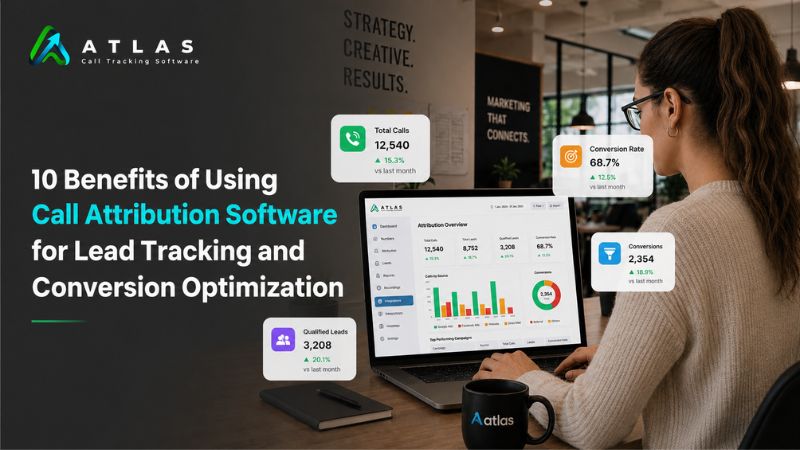
10 Benefits of Using Call Attribution Software for Lead Tracking and Conversion Optimization

In today’s digital marketing world, businesses invest in multiple channels like Google Ads, SEO, social media, email campaigns, and landing pages to generate leads. But one important question still remains: Which marketing campaign is actually driving phone calls and conversions? That’s where call attribution software becomes essential. Call attribution helps businesses identify the exact source of inbound calls, making it easier to understand customer behavior, improve campaigns, and increase ROI. Instead of guessing where leads come from, businesses can make data-driven decisions backed by real call insights. Here are 10 major benefits of using call attribution software for lead tracking and conversion optimization. 1. Identify Which Marketing Channels Generate Calls Call attribution software tracks the source of every inbound call. Whether a customer found your business through Google Ads, SEO, Facebook campaigns, or direct website visits, you can see exactly where the lead originated. This helps businesses invest more in channels that actually generate qualified phone leads. 2. Improve Marketing ROI Without call attribution, many offline conversions remain invisible. Businesses often track form submissions but ignore phone calls, even though calls usually convert faster. By connecting calls to campaigns, marketers can accurately measure ROI and optimize budgets for better performance. 3. Track High-Quality Leads Not every phone call is a valuable lead. Call attribution software helps identify which campaigns generate genuine inquiries instead of spam or low-intent calls. This allows sales and marketing teams to focus on high-converting lead sources. 4. Optimize Google Ads Campaigns Businesses spending on PPC campaigns can use call attribution to see which keywords, ads, and landing pages drive phone conversions. This data helps improve bidding strategies, ad targeting, and campaign performance while reducing wasted ad spend. 5. Understand Customer Journey Better Modern customers interact with businesses across multiple touchpoints before making a call. Call attribution software provides visibility into the customer journey — from the first website visit to the final phone call — helping businesses understand what influences conversions. 6. Improve Sales Team Performance Many call attribution platforms include call recording and analytics features. Businesses can review conversations, monitor response quality, and train sales teams using real customer interactions to improve closing rates. 7. Increase Conversion Rates When businesses know which campaigns drive valuable calls, they can optimize landing pages, CTAs, ad copy, and targeting strategies more effectively. This leads to better lead quality and higher conversion rates over time. 8. Make Smarter Budget Decisions Marketing budgets should be based on performance, not assumptions. Call attribution software provides clear insights into which campaigns produce actual phone leads, helping businesses allocate budgets more efficiently. 9. Gain Real-Time Reporting & Analytics Most modern call attribution platforms provide real-time dashboards and reporting. Businesses can instantly monitor: This helps teams make faster and smarter decisions. 10. Enhance Overall Lead Tracking Strategy Call attribution fills the gap between online marketing and offline conversions. Instead of tracking only clicks and form submissions, businesses get a complete picture of lead generation performance, making overall reporting more accurate and reliable. Final Thoughts Phone calls are still one of the highest-converting lead sources for many industries, including real estate, healthcare, agencies, education, and home services. Without proper call attribution, businesses risk losing valuable marketing insights and wasting advertising budgets. Using a reliable call attribution solution helps businesses track every inbound call, understand campaign performance, improve lead quality, and maximize conversions. If your business relies heavily on phone inquiries, investing in call attribution software is no longer optional — it’s essential for smarter marketing and better growth.

10 Benefits of Using Call Attribution Software for Lead Tracking and Conversion Optimization Read More »

10 Ways Smart Call Routing Helps Marketing, Sales & Support Teams Work Faster

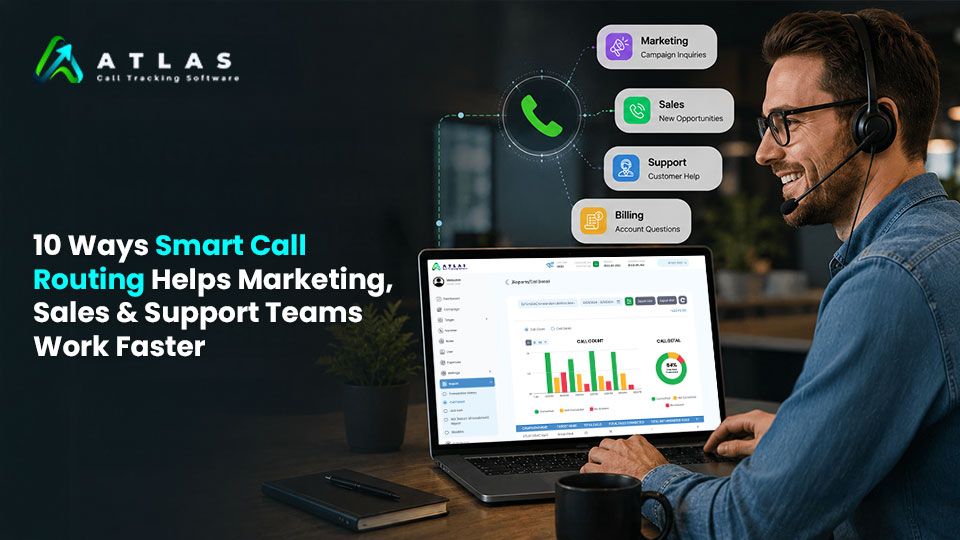
10 Ways Smart Call Routing Helps Marketing, Sales & Support Teams Work Faster

Businesses today handle hundreds of inbound customer calls across marketing, sales, and support teams. But without a proper call routing system, many of these calls end up delayed, unanswered, or sent to the wrong department. Smart call routing helps businesses automatically direct incoming calls to the right person or team based on availability, priority, department, or custom rules. The result is faster response times, improved customer experience, and more efficient team operations. Here are 10 ways smart call routing helps teams work faster and handle customer conversations more effectively. 1. Connects Callers to the Right Team Instantly One of the biggest problems businesses face is customers reaching the wrong department. A sales inquiry routed to support or a support request routed to marketing creates delays and frustration. Smart call routing automatically directs callers to the appropriate team based on predefined routing rules, ensuring faster resolutions and smoother conversations. Benefits: 2. Reduces Missed Calls During Peak Hours When all incoming calls go to one number or one agent, teams quickly become overloaded during busy hours. Group routing distributes incoming calls among available team members, helping businesses reduce unanswered calls and improve call handling efficiency. Benefits: 3. Improves Lead Response Time Speed matters when handling inbound leads. Businesses that respond faster often convert more customers. Target routing allows high-priority or sales-related calls to be directed immediately to available sales representatives, reducing delays and improving conversion opportunities. Benefits: 4. Prevents Agent Overload Without intelligent routing, some team members end up handling significantly more calls than others. Smart routing systems can distribute calls evenly across available agents, helping teams maintain productivity without overwhelming individual employees. Benefits: 5. Enhances Customer Experience Customers expect quick and smooth communication. Long hold times and repeated call transfers negatively impact trust and satisfaction. Routing calls directly to the right department or available representative creates a more professional and seamless customer experience. Benefits: 6. Supports Remote & Distributed Teams Modern businesses often operate with remote teams across multiple locations. Smart call routing enables businesses to forward calls to employees working remotely, on mobile devices, or in different offices without interrupting operations. Benefits: 7. Prioritizes Important Calls Not all calls carry the same urgency. VIP customers, enterprise leads, or urgent support issues may require immediate attention. Priority-based routing ensures important calls reach senior agents or dedicated teams first. Benefits: 8. Improves Marketing Campaign Tracking Marketing teams need visibility into which campaigns generate inbound calls and qualified leads. When combined with inbound call tracking, smart routing helps marketers direct campaign-generated calls to the correct sales teams for faster follow-up. Benefits: 9. Increases Team Productivity Manual call handling processes waste time and slow down operations. Automated call routing eliminates unnecessary manual transfers and helps teams focus on conversations instead of managing call flow. Benefits: 10. Helps Businesses Scale Efficiently As businesses grow, managing increasing call volume becomes difficult without automation. Smart call routing systems make it easier to scale customer communication by organizing calls intelligently across teams, departments, and locations. Benefits: Why Smart Call Routing Matters Smart call routing is no longer just a feature for large enterprises. Growing businesses, agencies, healthcare providers, real estate companies, education platforms, and support teams all benefit from faster and more organized inbound call handling. By reducing missed calls, improving response times, and distributing calls intelligently, businesses can improve both customer satisfaction and operational efficiency. How CallAtlas Helps Businesses Manage Calls Smarter CallAtlas helps businesses streamline inbound call handling with smart routing, call tracking, reporting, analytics, and team-based call management features. With features like: Businesses can improve response times, reduce missed opportunities, and deliver better customer experiences at scale. Whether you manage sales, support, or marketing teams, CallAtlas helps ensure every important call reaches the right person at the right time.

10 Ways Smart Call Routing Helps Marketing, Sales & Support Teams Work Faster Read More »

17 Best Call Reporting Software for 2026

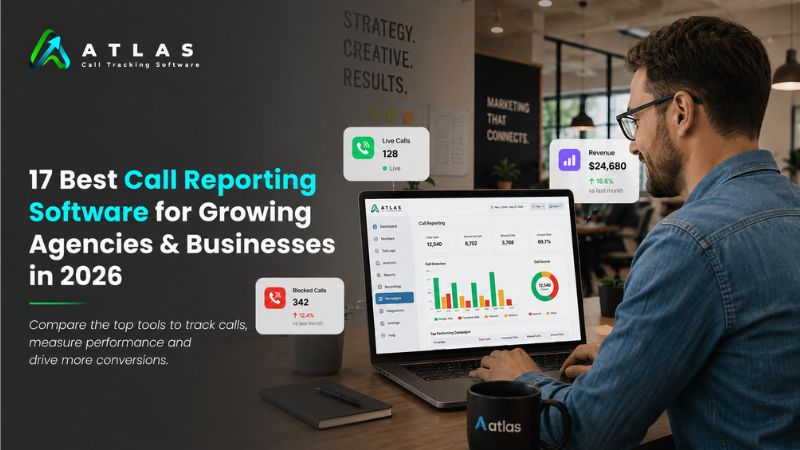
17 Best Call Reporting Software Platforms For 2026

In 2026, inbound phone calls continue to be one of the highest-converting lead sources for businesses across the United States, United Kingdom, Australia, India, Canada, and other major English-speaking markets. While digital channels like SEO, PPC, social media, and email marketing are important for customer acquisition, phone calls still generate stronger buying intent, faster conversions, and higher-value customers in industries such as healthcare, legal services, finance, home services, insurance, real estate, automotive, education, and travel. As competition grows across the U.S., UK, and Australian markets, businesses are investing heavily in marketing campaigns that drive inbound calls. However, many companies still struggle to understand which campaigns generate qualified leads, which traffic sources produce revenue, and how efficiently sales teams handle customer conversations. Without proper analytics and reporting, businesses can easily waste advertising budgets and lose high-intent leads. This is why modern call reporting software has become an essential tool for businesses in 2026. Today’s platforms offer much more than basic call logs. Advanced reporting systems now provide real-time call analytics, campaign attribution, AI-powered conversation intelligence, live call monitoring, publisher tracking, revenue reporting, conversion analytics, and customer interaction insights. For businesses operating in competitive markets like United States, United Kingdom, India, and Australia, having complete visibility into inbound calls can directly impact lead quality, customer acquisition costs, and overall marketing ROI. Whether you are a marketing agency, enterprise brand, contact center, affiliate network, or growing business, the right call reporting platform helps teams make faster, smarter, and more profitable decisions. In this guide, we’ve listed the 17 best call reporting software platforms for 2026, including solutions designed for SMBs, enterprises, agencies, performance marketers, and high-volume call operations across the U.S., UK, Australia, India, Canada, and other global markets. What Is Call Reporting Software? Call reporting software is a business communication and analytics solution that helps companies track, monitor, and analyze inbound and outbound phone calls. In 2026, businesses across the United States, United Kingdom, Australia, and Canada rely heavily on phone-based customer interactions for sales, support, bookings, and lead generation. Modern reporting platforms do much more than basic call logging. They provide detailed insights into: These platforms help businesses understand which marketing channels are generating phone calls and how those calls impact overall revenue and customer acquisition. Why Businesses Need Call Reporting Software in 2026 As competition increases across digital marketing channels, businesses can no longer afford to guess which campaigns are generating qualified leads. Many companies invest thousands of dollars into Google Ads, Meta Ads, SEO, affiliate marketing, and offline campaigns without having accurate visibility into call conversions. Call reporting software solves this problem by connecting phone calls directly with marketing performance. Key Reasons Businesses Use Call Reporting Software 1. Measure Marketing ROI Businesses can identify: This helps companies reduce wasted ad spend and improve campaign profitability. 2. Improve Lead Quality Not all inbound calls are valuable. Reporting tools help businesses identify: This allows teams to focus on leads that are most likely to convert. 3. Monitor Sales and Support Performance Managers can track: These insights help improve team performance and customer experience. 4. Increase Revenue Visibility Advanced reporting systems now include: This gives businesses a clearer understanding of campaign profitability. Which Industries Benefit Most From Call Reporting? Phone calls remain one of the highest-converting channels in many industries. Businesses that depend heavily on inbound leads gain the most value from advanced call analytics. Industries That Commonly Use Call Reporting Software Healthcare Hospitals, clinics, and healthcare providers use reporting tools to monitor appointment calls, patient inquiries, and campaign performance. Legal Services Law firms track inbound consultation calls and analyze which campaigns generate the most qualified cases. Real Estate Real estate agencies monitor property inquiry calls, lead quality, and sales agent responsiveness. Insurance Insurance companies use call reporting to track quote requests, customer support calls, and lead attribution. Home Services Businesses like plumbing, HVAC, roofing, and cleaning companies rely heavily on inbound calls for customer bookings. Education Educational institutions and EdTech companies use reporting systems to track admissions inquiries and student support calls. Automotive Dealerships and service centers monitor customer inquiries, booking calls, and marketing campaign performance. How to Choose the Best Call Reporting Software Choosing the best call reporting software in 2026 depends on your business goals, call volume, marketing strategy, and reporting requirements. While many platforms offer similar core features, the right solution should align with your operational needs and help improve both customer communication and marketing performance. Businesses in the United States, United Kingdom, Australia, and other competitive markets should focus on software that provides accurate data, real-time visibility, and scalable reporting capabilities. 1. Identify Your Business Needs Before selecting a platform, businesses should first understand what they actually need from call reporting software. For example: Choosing a solution based on actual business requirements helps avoid unnecessary costs and complexity. 2. Look for Real-Time Reporting Real-time visibility has become one of the most important features in modern call analytics platforms. Businesses should be able to monitor: This helps teams respond faster and optimize campaigns while they are still running. 3. Check Marketing Attribution Capabilities A good reporting platform should accurately identify: This is especially important for businesses investing heavily in PPC, SEO, Meta Ads, affiliate marketing, or offline advertising. 4. Evaluate Reporting Depth Basic call logs are no longer enough in 2026. Businesses should look for detailed reporting features such as: Deeper reporting provides better operational and marketing insights. 5. Consider AI and Conversation Intelligence AI-powered analytics can help businesses automatically analyze conversations and identify: This technology is becoming increasingly important for businesses handling large call volumes. 6. Check CRM and Marketing Integrations Integration support is essential for workflow automation and centralized reporting. The software should integrate with: This helps businesses connect phone call data with customer journeys and sales pipelines. 7. Prioritize Scalability As businesses grow, call volumes and reporting requirements increase. The right platform should support: Scalable infrastructure helps businesses avoid switching platforms later. 8. Review Ease of Use and Support Even advanced software should remain

17 Best Call Reporting Software Platforms For 2026 Read More »

Top 10 Features to Look for in Call Reporting Software

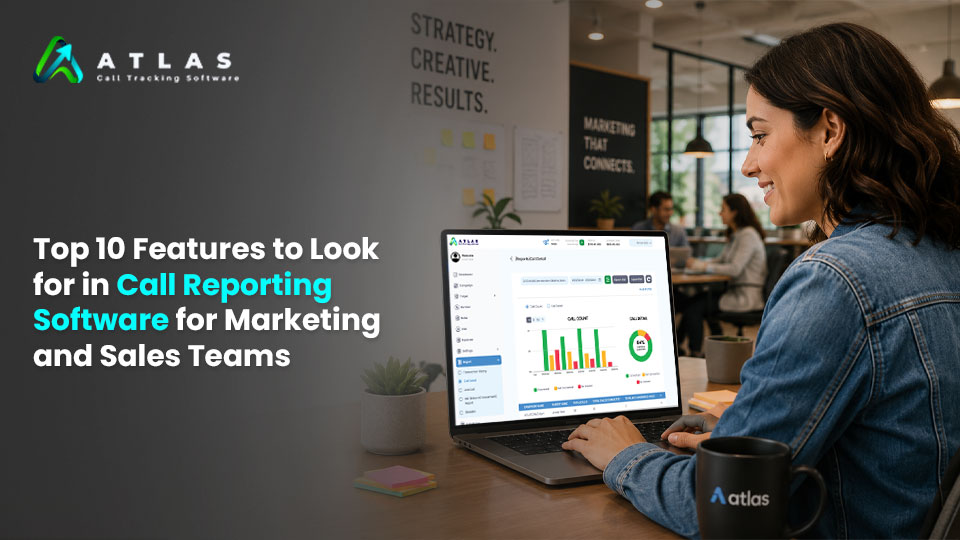
Top 10 Features to Look for in Call Reporting Software

In today’s competitive market, phone calls are still one of the highest-converting lead sources for businesses. Whether you run digital marketing campaigns, manage a sales team, or handle customer inquiries, having the right call reporting software can help you understand where your calls come from, how your team performs, and which campaigns generate real revenue. But not all call reporting tools offer the same value. Choosing the right platform can make a huge difference in lead tracking, campaign optimization, and customer experience. Here are the top 10 features you should look for in call reporting software for your marketing and sales teams. 1. Call Tracking and Source Attribution One of the most important features is the ability to track where calls originate. Good call reporting software should show whether a call came from: This helps marketing teams understand which campaigns drive the most valuable calls and leads. 2. Real-Time Call Reporting Real-time reporting allows teams to monitor incoming calls instantly. You should be able to view: With live insights, sales teams can respond faster and reduce missed opportunities. 3. Call Recording Call recording is essential for quality monitoring and training. It helps businesses: Recorded calls also help managers identify areas where teams can improve communication and conversions. 4. Detailed Analytics Dashboard A powerful analytics dashboard gives businesses a complete overview of performance metrics in one place. Look for dashboards that include: Easy-to-read dashboards help teams make data-driven decisions quickly. 5. Lead Qualification Insights Modern call reporting software should help identify high-intent leads. Features like call scoring, tagging, and AI-powered insights can help sales teams prioritize valuable prospects. This improves conversion rates and saves time by focusing on leads most likely to convert. 6. CRM Integration Integration with CRM platforms is a must-have feature. Your call reporting software should connect smoothly with tools like: CRM integration keeps customer data organized and allows teams to track the entire customer journey from the first call to final conversion. 7. Multi-Channel Campaign Tracking Marketing teams often run campaigns across multiple channels. The right software should track calls from: This provides a complete picture of marketing performance across all platforms. 8. Missed Call Alerts and Notifications Missed calls can mean lost revenue. Advanced call reporting software should send instant notifications for missed or unanswered calls. This allows teams to follow up quickly and improve customer response times. 9. Custom Reporting Options Every business tracks different KPIs. Look for software that allows you to create customized reports based on: Custom reports make it easier to share insights with stakeholders and clients. 10. User-Friendly Interface Even the most advanced software becomes difficult to use if the interface is confusing. A clean and simple dashboard helps teams: The best platforms combine powerful features with an easy-to-use experience. Final Thoughts Choosing the right call reporting software can help marketing and sales teams improve lead tracking, optimize campaigns, and increase conversions. From real-time analytics to CRM integration and call recording, the right features can turn every inbound call into valuable business insights. If your business depends on phone leads, investing in advanced call reporting software is no longer optional — it’s essential for growth and performance tracking. Looking for a smarter way to track and manage inbound calls? CallAtlas helps businesses monitor campaigns, analyze call performance, and convert more leads with powerful call tracking and reporting features.

Top 10 Features to Look for in Call Reporting Software Read More »