Marketing

Top 11 Call Center Tracking System Software 2025

Top 11 Call Center Tracking System Software in 2025

Call center tracking systems are essential for businesses to monitor customer interactions, enhance agent productivity, and optimize marketing campaigns. With advanced analytics, call routing, and CRM integrations, these tools help businesses maximize their call center efficiency. In this blog, we explore the top 11 call center tracking software for 2025, including their features, pricing, pros, and cons. What is a Call Center Tracking System? A Call Center Tracking System is a software solution that monitors, records, and analyzes inbound and outbound calls in a call center environment. It provides real-time insights into customer interactions, agent performance, and call outcomes to enhance business operations. Why is Call Center Tracking Important? 1. Improved Customer Experience Call tracking enables businesses to monitor customer interactions, ensuring quick and efficient responses to queries, which leads to higher satisfaction rates. 2. Enhanced Agent Performance Supervisors can track agent performance metrics such as call duration, response time, and resolution rates, helping them identify areas for improvement. 3. Better Marketing Attribution Businesses can track which marketing campaigns drive the most calls, enabling them to optimize their advertising spend. 4. Increased Sales & ROI With insights from call tracking, businesses can refine their sales scripts and target leads more effectively, improving conversion rates and maximizing ROI. Which Features Should You Look for in a Call Center Tracking System? When selecting a call tracking system, consider the following features: How Does a Call Center Tracking System Work? Who Needs a Call Center Tracking System? – Marketing Agencies To track lead sources and optimize ad spend. – E-commerce Businesses To improve customer service and post-purchase support. – Healthcare Providers To manage patient appointments and inquiries efficiently. – Financial Services To enhance customer interactions and ensure compliance with regulatory standards. – Real Estate Firms To track potential buyer inquiries and agent performance. Here is the list of top 11 Call Center Tracking System Software 1. ATLAS Overview: Atlas is a call tracking software designed for advertising agencies, pay-per-call campaigns, and call centers, providing accurate call attribution, analytics, and performance insights. Key Features: Pricing: Pros: Cons: May not be ideal for businesses that don’t rely on inbound calls 2. Callyzer Overview: Callyzer is a call monitoring and analytics platform designed to improve telecalling efficiency. Key Features: Pricing: ₹160 per phone number per month Pros: Cons: 3. TeleCRM Overview: A call tracking CRM system that automates lead tracking and ensures follow-ups. Key Features: Pricing: Starts at ₹599 per user per month Pros: Cons: 4. RingCentral Contact Center Overview: A cloud-based omnichannel call center platform offering AI-powered call routing and tracking. Key Features: Pricing: Starts at $50 per user per month Pros: Cons: 5. Five9 Overview: A leading cloud-based call center software with AI-driven customer service tools. Key Features: Pricing: Custom pricing Pros: Cons: 6. Zendesk Talk Overview: A cloud-based solution integrating with Zendesk’s CRM for seamless customer support. Key Features: Pricing: Starts at $19 per agent per month Pros: Cons: 7. Aircall Overview: A cloud-based phone system tailored for sales and support teams. Key Features: Pricing: Starts at $30 per user per month Pros: Cons: 8. CallRail Overview: A powerful call tracking and attribution software for businesses looking to optimize marketing ROI. Key Features: Pricing: Starts at $45 per month Pros: Cons: 9. Nextiva Overview: A cloud-based communication platform with advanced call tracking. Key Features: Pricing: Starts at $30 per user per month Pros: Cons: 10. Talkdesk Overview: AI-powered cloud contact center software designed for large enterprises. Key Features: Pricing: Custom pricing Pros: Cons: 11. Phonexa Overview: Phonexa is an all-in-one call tracking and analytics platform that enables businesses to optimize their inbound and outbound call campaigns. Key Features: Pricing: Starts at $100 per month Pros: Cons: Conclusion: Choosing the right call center tracking software depends on your business needs, budget, and scalability requirements. Atlas, Phonexa, and CallRail are ideal for marketing-driven call tracking, whereas Five9, RingCentral, and Talkdesk cater to enterprise-level needs. If you’re looking for an affordable and simple solution, Callyzer and Zendesk Talk are great options. Evaluate your requirements and select the software that aligns best with your goals in 2025! Frequently Asked Question

Top 11 Call Center Tracking System Software in 2025 Read More »

9 Reasons Why Your Business Needs Call Tracking Software

9 Reasons Why Your Business Needs Call Tracking Software

Introduction In today’s competitive market, every business is looking for ways to optimize marketing efforts, increase ROI, and improve customer interactions. While digital analytics tools help track online performance, phone calls remain a crucial touchpoint in many industries. Call tracking software like ATLAS provides businesses with detailed insights into their phone leads, helping them make data-driven decisions. If your business relies on inbound calls, here are 9 important reasons why your business need call tracking software. 1. Improve Marketing ROI Call tracking enables you to identify which marketing campaigns, keywords, or ad sources drive the most calls. By attributing calls to specific marketing channels, you can allocate your budget more effectively and eliminate wasted ad spend. 2. Enhance Lead Attribution Without call tracking, businesses struggle to determine where their phone leads are coming from. Call tracking software assigns unique phone numbers to different campaigns, ensuring every call is correctly attributed to the right source. 3. Increase Conversion Rates Understanding which ads, keywords, or landing pages generate quality calls allows you to optimize your marketing strategy. Businesses using call tracking can refine their campaigns to attract more high-intent callers, ultimately increasing conversions. 4. Optimize Pay-Per-Call Campaigns For businesses running pay-per-call advertising, call tracking is essential. It ensures that each call is correctly attributed to the right publisher or affiliate, preventing fraudulent activities and ensuring accurate payouts. 5. Gain Valuable Customer Insights Call tracking software provides detailed call analytics, including caller demographics, call duration, and call recordings. These insights help businesses understand customer behavior and preferences, allowing them to improve customer service and sales strategies. 6. Streamline Call Routing for Better Customer Experience Call tracking software can automatically route calls based on predefined rules, such as caller location or department. This ensures that customers connect with the right representative, reducing wait times and improving their overall experience. 7. Improve Team Performance with Call Monitoring Call tracking software includes call recording and monitoring features that allow businesses to analyze conversations for quality assurance. Managers can use this data to train employees, refine scripts, and improve customer service. 8. Enhance Client Retention For agencies managing multiple client campaigns, call tracking proves the effectiveness of marketing efforts. By providing detailed reports on call volume and conversions, agencies can demonstrate value to clients, leading to better retention rates. 9. Gain a Competitive Advantage While many businesses rely on web analytics, fewer leverage call tracking. By integrating call tracking with your digital strategy, you gain deeper insights that your competitors might be missing, allowing you to make smarter marketing decisions. Conclusion If your business depends on phone calls for leads, sales, or customer service, call tracking software like ATLAS is a must-have tool. It not only helps improve marketing efficiency but also enhances customer experience and team productivity. Frequently Asked Question

9 Reasons Why Your Business Needs Call Tracking Software Read More »

9 tips to Optimizes Ad Campaigns for Better Results

9 Tips for Optimizing Ad Campaigns for Better Results

What is Ad Campaign Optimization? Ad campaign optimization is the process of improving the performance of advertising efforts by analyzing data, making strategic adjustments, and ensuring that campaigns achieve maximum return on investment (ROI). It involves refining targeting, adjusting ad creatives, optimizing bids, and improving conversion tracking. The goal is to minimize wasted ad spend while increasing the effectiveness of campaigns that’s why at the end of blog we wrote some useful 9 tips for Optimizing Ad Campaigns for Better Results. Why is Campaign Optimization Important? Campaign optimization ensures that advertising budgets are spent efficiently, maximizing results while minimizing costs. Here are key reasons why it is crucial: Types of Optimization for Ad Campaigns There are several ways to optimize ad campaigns, each targeting different aspects of performance: 1. Audience Targeting Optimization Refining audience segmentation ensures that ads reach the right people. ATLAS helps advertisers analyze call data to identify high-converting audience segments and optimize ad targeting accordingly. 2. Keyword and Ad Copy Optimization ATLAS tracks which keywords drive the most high-quality calls, helping advertisers refine their ad copy and bidding strategy for better results. 3. Budget and Bidding Optimization Using call attribution insights, advertisers can allocate budgets more effectively, focusing on high-performing ads and reducing spend on underperforming ones. 4. Channel Optimization With multi-channel tracking, ATLAS helps businesses determine which platforms (Google Ads, Facebook, etc.) generate the most valuable leads, enabling smarter allocation of ad spend. 5. Call Routing Optimization ATLAS ensures calls are routed to the right teams or representatives based on campaign performance and user intent, improving conversion rates. What Are the Benefits of Ad Campaign Optimization? 1. Higher ROI on Ad Spend By focusing on high-performing keywords, audiences, and ad channels, ATLAS ensures that every advertising dollar generates maximum value. 2. Improved Lead Quality Instead of just tracking clicks, ATLAS helps businesses analyze call data, allowing them to attract leads with genuine intent to convert. 3. Better Customer Insights ATLAS provides detailed call analytics, helping businesses understand customer behavior, preferences, and pain points, leading to more effective campaigns. 4. Enhanced Campaign Scalability With automated tracking and analytics, advertisers can scale their campaigns confidently, knowing which strategies drive real results. 5. Data-Driven Decision Making ATLAS eliminates guesswork by offering actionable insights based on real-time call tracking and attribution. How to Optimize Ad Campaigns Effectively Optimizing ad campaigns requires a combination of data analysis, strategic adjustments, and continuous testing. Here are some key strategies: 1. A/B Testing Testing different ad creatives, headlines, and calls to action (CTAs) helps determine which elements drive the best results. ATLAS provides insights into which variations generate more valuable leads. 2. Budget Reallocation Shifting budget from underperforming ads to high-converting ones ensures that ad spend is optimized for maximum ROI. 3. Bid Strategy Adjustments Using data from ATLAS, advertisers can adjust bidding strategies to focus on the most valuable calls and leads. 4. Audience Refinement By continuously analyzing call data, advertisers can refine audience targeting to reach the most relevant and high-converting users. 5. Ad Scheduling Optimization Determining the best times to run ads based on call conversion data helps ensure that campaigns reach audiences when they are most likely to engage. 9 Tips for Optimizing Ad Campaigns for Better Results Optimizing your ad campaigns for Google and Meta Ads requires a strategic approach. Here are seven essential tips: 1. Use Data-Driven Targeting Analyze audience demographics, behavior, and interests to ensure your ads reach the right people. 2. Refine Your Ad Copy and Creatives Test different headlines, images, and ad formats to identify what resonates most with your audience. 3. Leverage Lookalike and Custom Audiences On Meta Ads, use lookalike audiences to expand your reach while targeting users similar to your best customers. 4. Optimize Landing Pages for Conversions Ensure that your landing pages are relevant, fast-loading, and have clear calls to action (CTAs) for better conversions. 5. Utilize Automated Bidding Strategies Google and Meta offer automated bidding options that adjust your bids based on real-time performance data. 6. Monitor and Adjust Ad Frequency Avoid ad fatigue by controlling how often users see your ads to maintain engagement without overwhelming them. 7. Analyze Call Data for Better Attribution With ATLAS, track which ads drive quality calls and refine your campaign strategy based on call insights. 8. Utilize Retargeting Strategies Use retargeting ads to re-engage users who have interacted with your brand but haven’t converted yet. Google and Meta provide powerful retargeting options to keep potential customers engaged. 9. Test Different Ad Placements Experiment with different placements across search, display, and social media to determine where your ads perform best. ATLAS can help track conversions from different placements to optimize your strategy. How ATLAS Enhances Campaign Performance 1. Accurate Call Attribution ATLAS links inbound calls to specific ads, keywords, and campaigns, helping businesses understand which marketing efforts drive conversions. 2. Real-Time Analytics and Reporting With real-time monitoring, advertisers can quickly adjust strategies and prevent wasted ad spend. 3. Seamless CRM and Ad Platform Integration ATLAS integrates with major CRMs and ad platforms, allowing for a smooth workflow between marketing and sales teams. 4. Call Scoring for Lead Qualification By analyzing call quality, ATLAS helps businesses prioritize high-value leads and optimize follow-ups. 5. Fraud Prevention and Spam Filtering ATLAS detects fraudulent calls and spam, ensuring that advertising budgets are spent only on genuine prospects. How ATLAS Call Data Optimizes Ad Campaigns ATLAS collects and analyzes call data to provide advertisers with deep insights into their campaign performance. Here’s how it helps optimize ad campaigns: Frequently Asked Questions (FAQs) Conclusion Optimizing ad campaigns is essential for maximizing marketing effectiveness and ROI. With ATLAS, businesses gain deep insights into their call data, allowing them to fine-tune ad targeting, budget allocation, and campaign strategies. By leveraging call tracking and analytics, ATLAS ensures that every ad campaign delivers better results with data-driven decisions.

9 Tips for Optimizing Ad Campaigns for Better Results Read More »

How multichannel call attribution optimize your ad spend

How Multi-Channel Call Attribution Optimizes Your Ad Spend

In today’s competitive marketing landscape, businesses invest in multiple channels—social media, Google Ads, email campaigns, websites, and even traditional print ads—to reach potential customers. However, without proper attribution, marketers struggle to determine which efforts drive actual results. This is especially true for call-based conversions, where customers often interact with multiple touchpoints before making a call. This is where multi-channel call attribution comes in. With ATLAS’s advanced call tracking capabilities, businesses can accurately track inbound calls from various marketing sources, ensuring smarter budget allocation and higher ROI. What is Multi-Channel Attribution? Multi-channel attribution is the process of identifying and assigning value to different marketing channels that contribute to a conversion. Instead of crediting only the last interaction (e.g., a Google ad click), it considers the entire customer journey, including social media engagement, email campaigns, and offline touchpoints. For example, a customer might: Without multi-channel attribution, marketers might mistakenly assume that only the Google ad was responsible for the conversion, neglecting the impact of other channels. Challenges of Traditional Attribution Methods Many businesses rely on outdated or incomplete tracking methods, leading to inefficient marketing spend. Some common challenges include: How ATLAS Solves These Challenges ATLAS’s multi-channel call attribution eliminates guesswork by accurately tracking calls from With real-time data and seamless integrations, ATLAS enables businesses to see which marketing efforts are driving calls, optimize ad spend, and improve campaign effectiveness. Real-World Use Cases & Benefits 1. Case Study: A Multi-Location Dental ClinicA dental chain used ATLAS to track call sources and discovered that while Google Ads generated the most calls, their Instagram campaigns led to higher appointment bookings. By reallocating budget based on true attribution data, they reduced wasted ad spend by 25% and increased patient appointments by 40%. 2. Case Study: A Home Services CompanyA plumbing business relied heavily on print ads and online directories but wasn’t sure which was driving more calls. With ATLAS, they assigned unique tracking numbers and found that print ads led to high-intent calls, while Google My Business (GMB) listings brought in inquiries for urgent services. This insight helped them refine their budget and focus on high-converting sources. Best Practices for Implementing Multi-Channel Attribution with ATLAS Conclusion: Marketing success isn’t just about generating calls—it’s about understanding where they come from and making data-driven decisions. With ATLAS’s multi-channel call attribution, businesses can track calls from every marketing source, optimize campaigns, and maximize ROI.

How Multi-Channel Call Attribution Optimizes Your Ad Spend Read More »

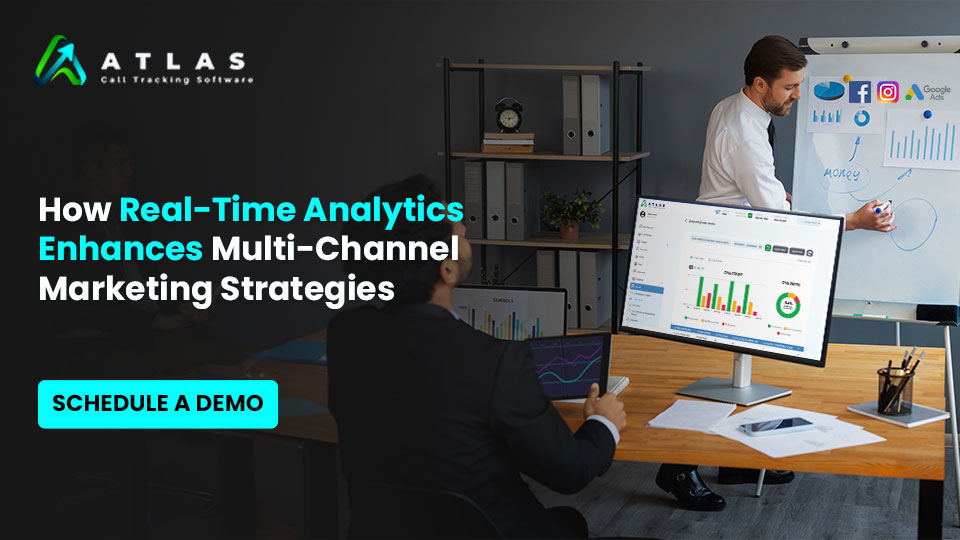
How Real-Time Analytics Enhances Multi-Channel Marketing Strategies

How Real-Time Analytics Enhances Multi-Channel Marketing Strategies

In today’s dynamic business environment, multi-channel marketing is the key to reaching diverse audiences and maximizing engagement. However, managing multiple channels can be complex, especially when trying to measure the effectiveness of each touchpoint. This is where real-time analytics comes into play. By providing instantaneous insights, real-time analytics empowers businesses to optimize their strategies, improve ROI, and deliver a seamless customer experience. Let’s explore how real-time analytics can enhance your multi-channel marketing efforts. 1. Instant Performance Insights Across Channels Real-time analytics provides immediate visibility into the performance of campaigns across various channels, including social media, email, websites, and phone calls. By accessing data as it happens, marketers can: Identify which channels are driving the most engagement. Detect underperforming campaigns and make quick adjustments. Track customer behaviors and preferences instantly. For example, if a specific ad campaign on Facebook is generating high engagement but low conversions, marketers can adjust their messaging or target audience in real time to boost results.   2. Optimizing Budget Allocation One of the biggest challenges in multi-channel marketing is deciding where to allocate your budget. Real-time analytics helps marketers pinpoint which channels are delivering the highest ROI. This ensures that resources are directed toward the most effective platforms, minimizing wasted spend. For instance, if call tracking data reveals that phone leads from Google Ads are converting better than those from email campaigns, you can shift more budget to paid search ads for greater impact.   3. Enhancing Customer Experience Through Personalization Real-time analytics enables businesses to understand customer behaviors and preferences instantly. By leveraging this data, marketers can: Deliver personalized messages across multiple channels. Adapt marketing strategies based on customer interactions in real time. Improve customer satisfaction and loyalty. Imagine a scenario where a customer interacts with your brand on social media and follows up with a phone inquiry. Real-time analytics can link these interactions, helping sales teams personalize their responses to close deals more effectively.   4. Streamlining Multi-Channel Attribution Attribution is crucial in understanding the customer journey. Real-time analytics simplifies this process by: Showing which channels contribute to each stage of the sales funnel. Highlighting the touchpoints that drive conversions. Reducing reliance on outdated last-click attribution models. For example, a customer may discover your product on Instagram, visit your website via a search engine, and finally call to make a purchase. Real-time analytics connects these dots, helping you credit the right channels for the conversion.   5. Proactive Decision-Making With access to real-time data, marketers can be proactive rather than reactive. This agility allows businesses to: Respond quickly to changing customer preferences or market trends. Launch timely promotions or campaigns based on current data. Avoid potential pitfalls by identifying issues early on. For example, if a campaign is receiving negative feedback on social media, marketers can immediately adjust the content or pause the campaign to mitigate damage.   6. Improving Cross-Channel Integration Real-time analytics fosters better integration between channels by providing a unified view of customer interactions. This ensures that marketing messages are consistent and complementary across platforms. It also: Helps identify the best channel combinations for different customer segments. Enables smoother transitions between online and offline touchpoints. Encourages collaboration between marketing, sales, and customer support teams.   7. Predicting Trends and Consumer Behavior By analyzing patterns in real-time data, businesses can forecast trends and adapt their strategies accordingly. Predictive insights allow marketers to: Anticipate customer needs before they arise. Launch preemptive campaigns to stay ahead of competitors. Refine targeting for future campaigns. For instance, if a particular keyword gains traction on social media, marketers can quickly incorporate it into their search ads or content strategy.   Conclusion Real-time analytics is a game-changer for multi-channel marketing strategies. By providing actionable insights, it empowers businesses to optimize campaigns, allocate budgets efficiently, and deliver personalized experiences across every channel. Whether you’re a small business or a large enterprise, embracing real-time analytics can drive growth and keep you ahead of the competition in today’s fast-paced digital landscape. Invest in the right tools and strategies to make the most of real-time data and take your multi-channel marketing efforts to new heights.

How Real-Time Analytics Enhances Multi-Channel Marketing Strategies Read More »